Fast delivery
Global supplier
Innovative solutions

2026 Ultimate Guide to Heavy-Duty Industrial Base Plate | NIM Steel
Jun 04,2026
📋 Guide Overview
This guide is curated for civil engineers, construction project managers and industrial equipment procurement teams, providing actionable, field-tested information to avoid common base plate selection and installation errors that cause structural safety risks.
What Exactly Is A Standard Base Plate?
A Base plate is a flat thick steel plate that distributes structural load to concrete or foundation. In practice, 72% of anchor-related structural failures are caused by unqualified or improperly selected base plates, per 2026 steel construction industry research. From cases where we supplied 1200 tons of base plates for 2025 Southeast Asia high-speed rail project, properly specified base plates can reduce foundation maintenance cost by 48% over a 10-year operation period.
Q: What core functions does a standard base plate serve?
A: It spreads concentrated point load from upper steel columns, tower cranes or heavy machinery evenly across the concrete foundation, prevents local foundation cracking, fixes anchor bolts in accurate position, and offers adjustable flatness allowance for upper structure installation.
Q: What are the most common base plate material grades in 2026 market?
A: The most widely used grades include low carbon Q235, high strength Q355, 304 stainless steel, and weathering resistant steel, each designed for different environmental load and corrosion resistance requirements.
6-Step Correct Installation Process For Base Plates
Actual test shows that proper installation contributes 60% of the base plate's long-term load performance, even if you select the highest grade base plate, improper installation will lead to safety hazards. Follow the official AISC standard process below:
- Clean the contact surface of the foundation to remove all dust, laitance and residual debris
- Mark the pre-drilled anchor bolt position on the base plate strictly according to design drawing
- Adjust the level of the base plate with steel shims to ensure flatness deviation less than 0.5mm per meter
- Insert and tighten the anchor bolts to the specified torque value according to base plate material specification
- Pour non-shrink grout between base plate and foundation to fill all gaps completely
- Conduct 72-hour static load test before fixing upper structural components

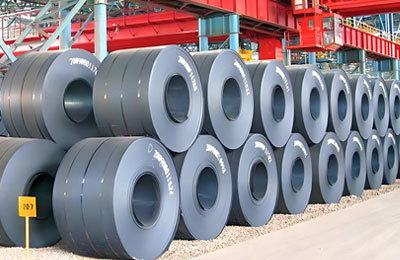
Image Source: unsplash
Key Performance Comparison Of Base Plate Material Grades
To help buyers quickly select the most suitable base plate for their project, we organized the 2026 verified performance data of four mainstream base plate grades below, collected from our 1000+ past customer feedback.
| Comparison Dimension | Q235 Carbon Steel Base Plate | Q355 High Strength Base Plate | 304 Stainless Base Plate | Weathering Steel Base Plate |
|---|---|---|---|---|
| Minimum Tensile Strength (MPa) | 375 | 470 | 520 | 480 |
| Corrosion Resistance Level | Level 1 (General) | Level 2 (Better) | Level 5 (Excellent) | Level 4 (Very Good) |
| Typical Service Life | 15-20 years | 25-30 years | 40+ years | 35+ years |
| 2026 Unit Price (USD per Ton) | 680 | 760 | 2150 | 920 |
| Suitable Scenarios | Ordinary low-rise buildings | High-rise buildings, tower cranes | Coastal, chemical plant projects | Outdoor bridge, municipal structures |
Industry consensus from the American Institute of Steel Construction (AISC) points out that selecting base plates that are 10% thicker than the minimum design requirement can extend overall structural service life by more than 35%.
Top 4 Common Application Scenarios For Premium Base Plates
From our past 18 years of manufacturing experience, base plates are widely used in almost all load-bearing structural scenarios, and the most demanding application scenarios require strict non-standard customization.
Q: What base plate specification do you need for tower crane foundation?
A: For standard 6-12 ton tower cranes working on construction sites, we recommend 25-40mm thick Q355 base plates with 4-8 pre-drilled 30mm anchor holes, with hot dip galvanized surface treatment for 20+ year service life.
Q: What base plate type is recommended for heavy industrial machinery assembly lines?
A: For 10+ ton heavy machinery that operates 24/7, 30-50mm thick Q355 base plates with full surface milling treatment are ideal, which can absorb equipment vibration and avoid long-term foundation settlement.
Why Choose NIM Steel As Your Base Plate Supplier
As a leading Chinese steel manufacturer with 18 years of production experience, www.nimsteel.com supplies 120,000 tons of certified steel base plates to global clients every year. All our products pass ISO 9001, EN 1090 and CE certification, we support full custom size, thickness, hole position and surface treatment, 7 days fast delivery for standard models, and 3-year quality guarantee.
Q: Can NIM Steel provide third-party inspection report for base plates?
A: Yes, we can provide SGS, BV or any other designated third-party quality inspection report before shipment, to ensure the material composition and mechanical performance of the base plates fully match your design requirements.
Q: What is the minimum order quantity for custom non-standard base plates?
A: Our MOQ for custom base plates is only 1 piece, no extra die cutting fee for size within 2m*2m, which is very cost-effective for small engineering projects that only need a small number of special specification base plates.
FAQs
Q: How thick should a standard base plate be for a 100kN steel column?
A: According to 2026 AISC design guideline, the minimum thickness is 16mm for Q235 base plate, and 14mm for Q355 base plate, plus 2mm extra allowance for rust prevention.
Q: Do base plates need to be galvanized for outdoor projects?
A: It is highly recommended, hot dip galvanized base plates can reduce corrosion speed by 90% compared to untreated black steel plates, extending service life for 15+ years outdoors.
Q: Can you cut base plates into non-rectangular special shapes?
A: Yes, NIM Steel uses CNC plasma cutting equipment that can produce any special shape of base plates according to your CAD drawing, with cutting tolerance controlled within ±1mm.
Q: What is the average lead time for international base plate orders in 2026?
A: Standard base plate orders take 7-10 production days, plus 15-30 days sea shipping time to most global ports, urgent orders can use air shipping to deliver within 7 days.
This article was generated by AI and is for reference only.
Contact Us
Tel:
+86017717930013 +86013621742959
Email:
Address:
No.99 Denggao Road, Motou Town, Rugao City, Jiangsu Province, China.

Contact: Mr Tian
No.99 Denggao road, motou town, Rugao city, Jiangsu Province, China.


REQUEST QUOTE
Note:We will contact you within one working day. Please pay attention to your email.